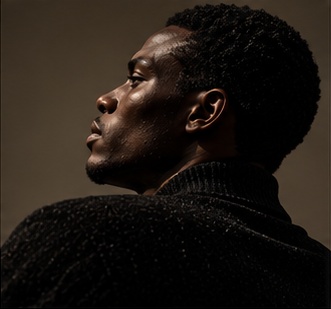
You watch the show, save the image and send the most surprising moment to a friend. A few days later, you remember the setting, the celebrity arrival or the unexpected finale.
But can you remember the clothes?
It is a question worth asking. Fashion can be wonderfully entertaining, yet the things that make us stop scrolling are not always the things that make us look more closely.
There is a difference between attracting attention and giving someone a reason to stay interested.
After the First Impression
A striking presentation can introduce us to a designer we might otherwise have missed. There is nothing wrong with that. Fashion has room for wit, drama and a little mischief.
The disappointment comes when the initial excitement leads nowhere: when the campaign feels more distinctive than the collection, or the collaboration seems to begin and end with two names on a label.
Once the surprise has passed, we are left with the garment. Does its shape offer something interesting? Has a familiar material been used thoughtfully? Is there a detail that rewards a second look?
These questions may be less immediately entertaining than a spectacular reveal, but they matter to anyone considering wearing the clothes.
Originality Is Not Always Obvious
An original idea does not have to announce itself across a room.
It might be a jacket constructed to move differently across the shoulders, an unusual balance between softness and structure, or a fabric that changes the character of an otherwise familiar shape.
Some of these decisions become apparent only when you try a piece on. You notice how a sleeve falls or how a coat holds its volume without feeling heavy. What looked simple on the hanger turns out to have been carefully resolved.
That kind of discovery can be more satisfying than something designed solely to look extraordinary in a photograph.
It also reminds us that originality and novelty are not quite the same thing. Making something unfamiliar is one challenge. Making it convincing is another.
Let the Theatre Mean Something
None of this is a plea for fashion to become solemn.
A collection can be moving, funny, extravagant or deliberately uncomfortable. Music, casting and setting can help us understand the designer’s intentions, creating an experience that stays with us.
The strongest presentations make you want to return to the clothes. You begin to see how the atmosphere connects with a particular silhouette, texture or reference.
The spectacle adds meaning rather than concealing its absence.
Making Room for Other Voices
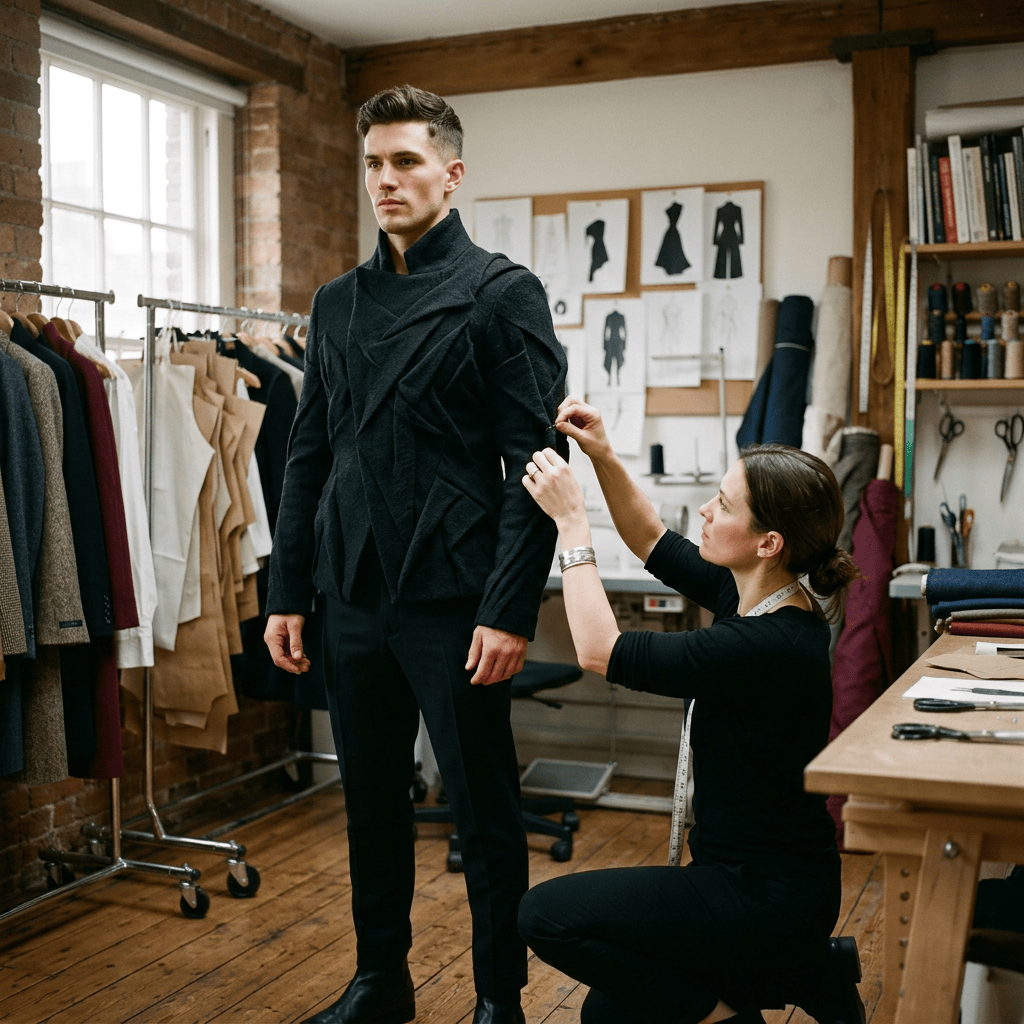
For a designer working with a small team, competing for attention can be exhausting. Producing the clothes is already demanding; building an event around them requires another set of resources.
A modest presentation should not automatically mean a modest creative contribution.
Sometimes the most interesting encounter is with a designer who can explain why they changed a seam, rejected a fabric or spent months adjusting one proportion. Their enthusiasm gives you a reason to look again.
Editors, buyers and audiences all have a part to play here. We can be curious about work that arrives without a celebrity endorsement or an elaborate launch. We can ask what makes a collection distinctive before asking how widely it has been shared.
What Deserves a Second Look?
At THE HAUT, we enjoy the excitement of fashion. But we also want something to remain once that excitement settles.
A beautiful piece of menswear should offer more than evidence that its owner was paying attention at the right moment. It should have qualities worth discovering through wear: an intelligent cut, an expressive texture, a point of view that feels coherent rather than borrowed.
The next designer worth following may have a spectacular introduction. Or you might encounter their work on a quiet rail and find yourself taking it down for a closer look.
Either way, the clothes deserve a chance to make their case.
THE HAUT — Fashion, Elevated.


Leave a Reply