Artificial intelligence (AI) is transforming industries from healthcare to entertainment, but fashion presents a distinctive challenge. What we wear is not simply functional: it expresses identity, culture, taste and mood. As AI becomes a styling guide, shopping companion and source of inspiration, the question is whether it can help people develop their personal style without making everyone look the same.
Looking towards 2027, its potential extends beyond recommending products. AI could change how we interact with our wardrobes, visualise purchases and access styling advice. However, there remains an important difference between generating an attractive outfit and understanding how someone actually wants to dress.
How people are using AI

Conversational styling is one of the most accessible applications. Users can ask what to wear to a winter wedding, how to style an oversized blazer or which shoes would work with a particular pair of trousers. Providing photographs, a budget and preferences can make the advice more relevant.
Unlike scrolling through inspiration images, this creates a back-and-forth conversation. Someone can ask for a look to feel less formal, more colourful or more appropriate for cold weather. It offers a starting point for people who find fashion intimidating, as well as a way for confident dressers to explore alternatives.
Fashion-specific platforms are developing more structured versions of this experience. Vêtir, for example, combines digital-closet and styling tools, allowing wardrobe organisation and outfit recommendations to sit within the same service.
Another significant development is AI-powered outfit visualisation. Stitch Fix Vision offers personalised, shoppable outfit imagery, while Levi’s AI outfitting demonstrates how brands are incorporating outfit-building into their shopping experiences.
The appeal is obvious: instead of looking at separate items in an online basket and imagining whether they work together, shoppers can increasingly preview a complete look. However, services differ in what they can do. The ability to visualise any basket of clothes accurately on any person should not be assumed to be universal.
AI can also help people work with what they already own. Digital wardrobes offer opportunities to rediscover forgotten pieces, plan outfits for a trip or find different ways to wear an existing purchase. Its most useful role may not be answering “What should I buy?” but “How else could I wear this?”
The positives and negatives
AI styling offers convenience and a more accessible entry point into fashion advice. A personal stylist is beyond many people’s budgets, whereas digital guidance can help explain colour combinations, proportions and dress codes. Virtual experimentation may also make unfamiliar styles feel less intimidating.
There is potential for more thoughtful consumption. If a system understands someone’s wardrobe, it could identify genuine gaps rather than recommend another version of something they already own. However, sustainability is not an automatic outcome. Tools designed to make shopping easier could just as readily encourage people to purchase more.
Accuracy remains a major limitation. An AI-generated image might show a flattering jacket, but it cannot reliably establish how the fabric feels, whether the shoulders restrict movement or how the garment sits when the wearer walks.
Visualisation is not the same as fit verification
Personalisation can also become repetitive. Systems may favour familiar combinations and dominant trends, overlooking cultural context, unconventional taste or the deliberate contradictions that make an outfit interesting. Recommendations and generated images may work unevenly across different bodies, skin tones, disabilities and gender expressions.
Privacy is another consideration. Body photographs, measurements and wardrobe records can reveal personal information. Before uploading them, users should understand how a service stores that information, whether it is used for training and how it can be deleted.
There is also a commercial question: whose interests does the advice serve? A recommendation from a retailer’s assistant may be useful, but it is still operating within a shopping environment. Users should distinguish between independent styling guidance and suggestions shaped by available stock or commercial relationships.
AI and luxury menswear
Luxury menswear is an interesting test of AI’s capabilities because so much of its appeal lies beyond the photograph. The balance of a tailored jacket, the texture of wool and the construction of a shoe are difficult to judge through generated imagery.
AI can nevertheless help with discovery and preparation. It can explain dress codes, suggest a capsule wardrobe or explore how different shirt colours might work with a suit.
For luxury brands, AI could support client teling: the personalised service through which advisers build relationships with customers. With appropriate consent, an assistant could help an adviser identify pieces that complement previous purchases or prepare suggestions before an appointment. The value would come from combining digital organisation with human judgement.
For consumers, the best results begin with a specific brief. Asking for “a luxury outfit” leaves too much open to interpretation. Describing the occasion, climate, budget, preferred silhouette and existing wardrobe gives the system a stronger foundation.
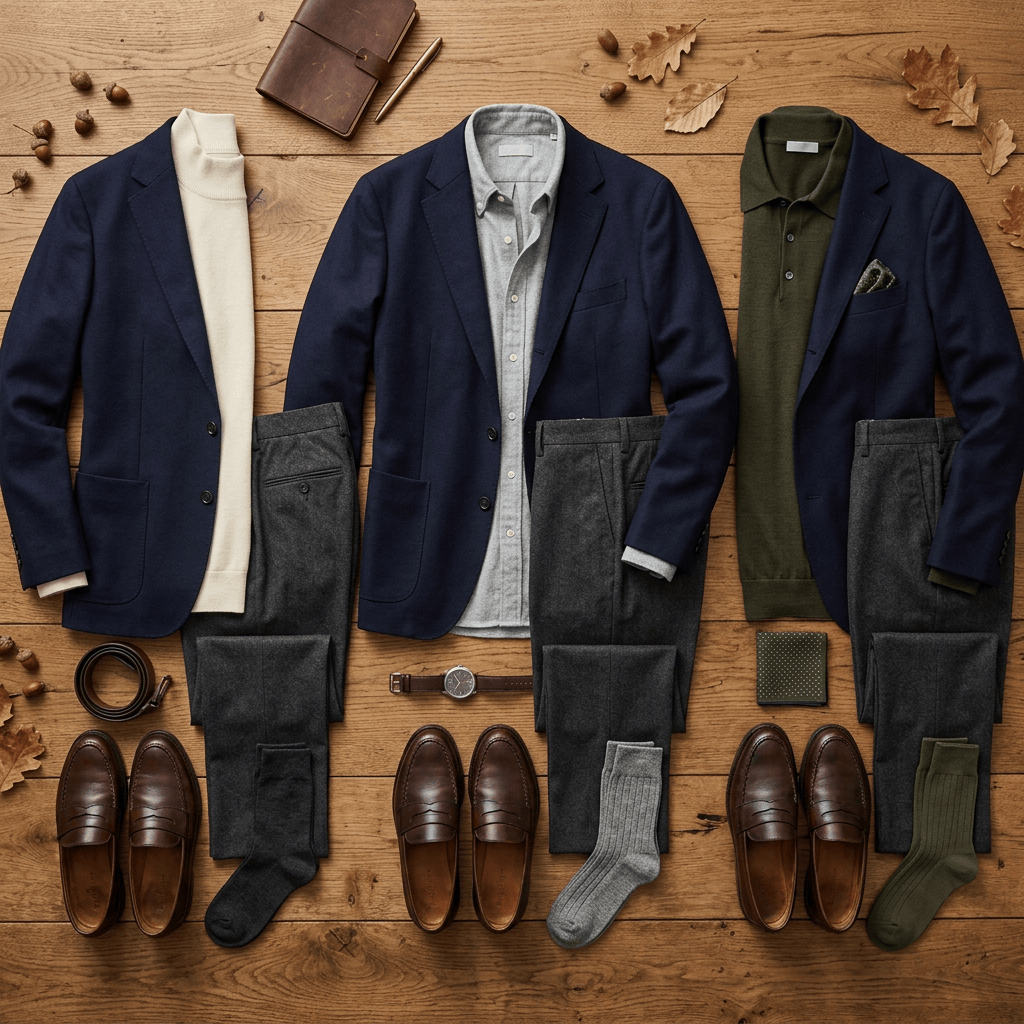
A request such as “Create three understated autumn outfits around my navy blazer, charcoal wool trousers and dark-brown loafers, with no visible logos and no more than one new purchase” is more useful than asking which designer brands to buy.
It is also worth asking why an outfit works. An explanation of trouser proportions, jacket length or colour contrast can help someone develop their own judgement. For expensive purchases, the final decision should still involve checking measurements, fabric composition, construction and return conditions—and, where possible, trying the garment on.
Predictions for 2027 and beyond
By 2027, AI styling is likely to become more aware of individual wardrobes. Instead of responding to each question in isolation, assistants could increasingly draw on what someone owns, wears frequently and consistently rejects. This would make recommendations more useful, but only if wardrobe information remains accurate and users are comfortable sharing it.
Shopping is also likely to become more focused on complete looks. Retailers have a clear incentive to show how several products work together, while consumers benefit from understanding whether a proposed purchase complements their existing clothes. The challenge will be ensuring that outfit-building feels helpful rather than becoming another mechanism for increasing basket size.
Virtual try-on imagery will probably become more convincing, but reliable fit prediction may progress at a different pace. Realistic pictures require different capabilities from accurately predicting the interaction between a body, a garment’s construction and its fabric. A polished preview should not be mistaken for a guarantee.
In luxury fashion, human–AI partnerships are likely to be more persuasive than fully automated styling. Digital assistants can support research and preparation, while stylists, sales advisers and tailors provide expertise, reassurance and an understanding of context.
At the same time, increasingly widespread AI recommendations could create a countertrend. If many people receive similar suggestions, distinctive personal taste may become more desirable. Independent designers, skilled stylists and unexpected combinations could gain appeal precisely because they resist algorithmic predictability.
The future of personal style
AI is likely to become a more familiar link between fashion inspiration and purchasing. At its best, it can make advice more accessible, encourage experimentation and help people understand their wardrobes.
But dressing well is not simply a matter of selecting compatible products. It involves comfort, context, emotion and sometimes choosing something that breaks the rules. AI can suggest the possibilities; personal style still belongs to the person wearing the clothes.
THE HAUT – Fashion, Elevated.


Leave a Reply